
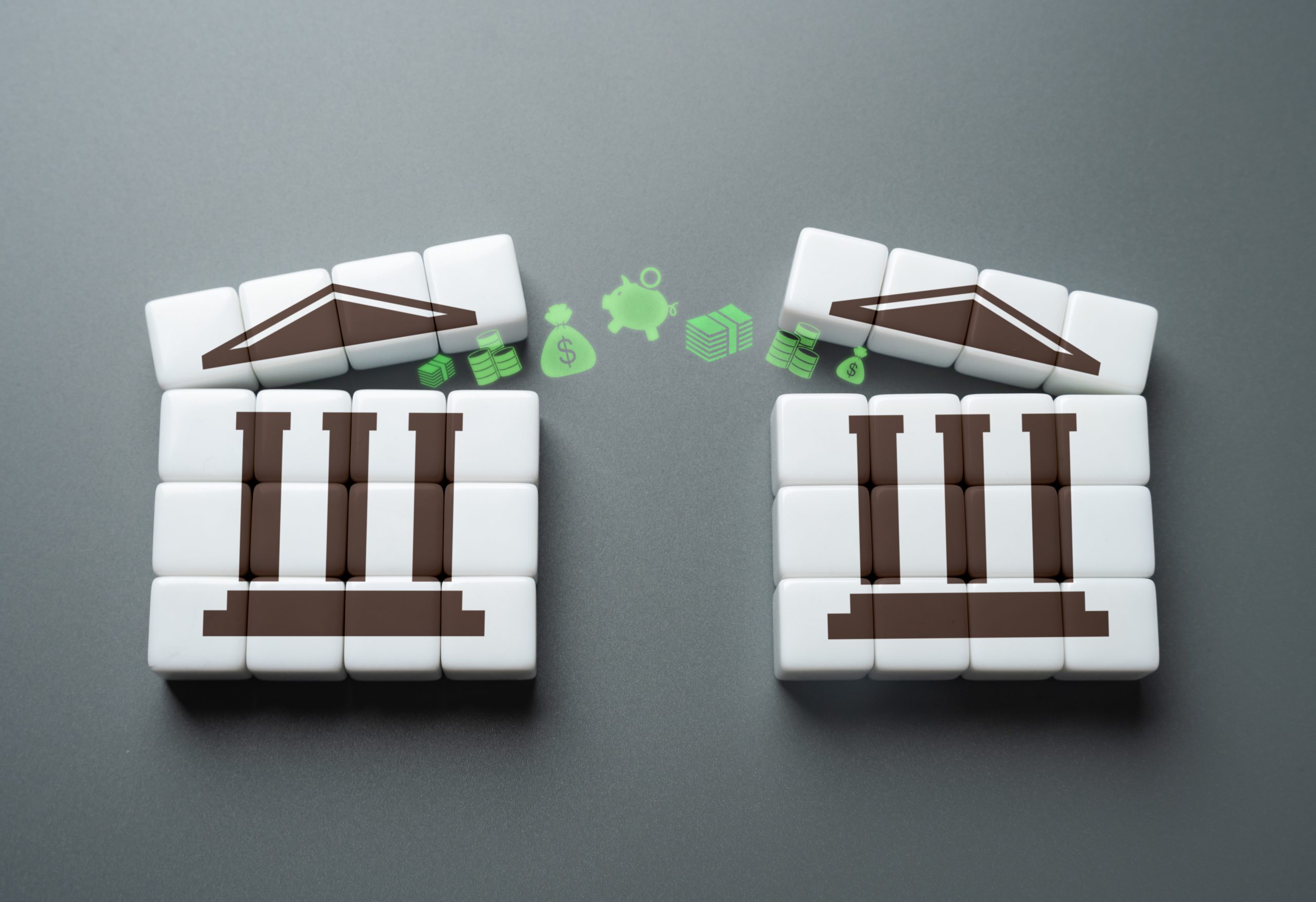
ACH Payments: The Powerhouse of your Business
Running a business means managing countless moving parts—and how you send and receive money shouldn’t slow you down. Yet many businesses are still dealing with paper checks, manual payroll processes, and high credit card processing fees, all of which quietly drain time, money, and productivity.
ACH payments offer a modern alternative. By replacing paper-based transactions with secure electronic transfers, ACH helps businesses reduce costs, automate routine payments, and gain better visibility into cash flow.
What Is ACH?
If you have ever received a direct deposit from an employer or paid a utility bill online, you have used the Automated Clearing House (ACH) network. But what is ACH transfer in a business context?
Simply put, the ACH network is a secure, central system used by U.S. financial institutions to move money electronically between bank accounts. Think of it as a more efficient, reliable, and traceable version of a paper check.
ACH Credit vs. ACH Debit
Understanding the distinction between debits and credits helps clarify how ACH is used in business operations. Together, these two transaction types make ACH a flexible tool for managing both outgoing and incoming payments.
- ACH Credit: You “push” money out of your account. Common examples include payroll direct deposit, vendor payments, tax payments, and reimbursements.
- ACH Debit: You “pull” money into your account, typically with prior authorization. This is commonly used for recurring customer payments, subscription billing, or rent payments.
Common Business Uses for ACH
Because ACH is easy to schedule and automate, it’s well-suited for businesses that want consistency and control over their payment workflows. ACH works especially well for predictable, recurring transactions, including:
- Direct deposit payroll
- Paying vendors and suppliers
- Collecting recurring customer payments
- Making federal and state tax payments
- Automating internal transfers and reimbursements
Why Businesses Choose ACH: Key Benefits
Making the switch to ACH offers several key advantages to your business, from better efficiency to lower costs.
Lower Processing Costs
Compared to credit cards—which often charge 2%–4% per transaction—ACH fees are typically much lower and often flat. For businesses handling large-dollar or recurring payments, the cost savings can be substantial.
Automation and Efficiency
ACH payments can be scheduled in advance, reducing manual data entry and the risk of late or missed payments. Once set up, many transactions become truly “set it and forget it.”
Better Cash Flow Management
ACH follows predictable settlement timelines, which gives businesses clearer insight into when funds will enter or leave their accounts. This predictability makes cash flow planning more accurate and less stressful.
Speed Options, Including Same-Day ACH
Standard ACH payments usually settle within one to three business days. Many financial institutions also offer Same-Day ACH for eligible transactions, providing added flexibility for time-sensitive needs like payroll or urgent vendor payments.
Enhanced Security
ACH transfers use encrypted digital systems and eliminate many risks associated with paper checks, such as mail theft, check washing, or forgery.
Building Trust with Customers and Vendors
Payment methods play a larger role in business relationships than many owners realize.
For customers, ACH provides a familiar, bank-based option that’s especially convenient for recurring payments. For vendors, receiving payments via ACH is often faster and more reliable than waiting for checks to arrive in the mail.
Offering ACH also signals professionalism. Using modern, secure payment methods shows that your business is organized, reliable, and built for long-term stability.
Security and Fraud Prevention with ACH
When managed through our business banking services, ACH payments come with strong safeguards designed to protect your company.
Administrative Controls
Businesses can establish user permissions and dual-approval requirements so no single person can initiate and approve payments alone. This helps reduce internal fraud risk.
ACH Positive Pay
ACH Positive Pay allows businesses to monitor debits and block unauthorized transactions before funds are withdrawn.
Audit Trails and Visibility
Unlike a check that disappears into the postal system, ACH transactions have a clear digital trail, simplifying reconciliation, auditing, and issue resolution.
ACH vs. Other Business Payment Methods
ACH is not your only business payment solution, and it may not be suitable for all scenarios.
ACH vs. Credit Cards
If you are receiving payments from customers or making them to suppliers, credit cards are an option. Credit cards can process almost instantly and work internationally, but you may face higher processing fees and a greater risk of chargebacks.
- ACH: Lower fees, ideal for recurring or high-dollar payments
- Credit Cards: Faster authorization and consumer-friendly, but more expensive
ACH vs. Wire Transfers
Wire transfers are often compared to ACH, but they serve very different purposes. If you’re making a single, one-time large transfer, then a Wire may be a better solution. However, if you’re making multiple and recurring routine payments, ACH is often the more cost-effective way to go.
- ACH: Cost-effective and efficient for routine payments
- Wires: Near-instant but significantly more expensive, best for urgent or high-priority transfers
ACH vs. Paper Checks
Paper checks are still an option, though notably one that is not as common as it used to be. Checks offer familiarity and convenience for in-person transactions, but they are more expensive, take longer to process, and are a greater risk for fraud than ACH.
- ACH: Faster, more secure, and easier to automate
- Checks: Slower, more labor-intensive, and higher fraud risk
While each payment method has its place, ACH often offers the best balance of cost, efficiency, and security for everyday business transactions.
Important Considerations and Limitations
While ACH is a powerful tool, it isn’t ideal for every scenario. Understanding these limitations helps businesses use ACH strategically rather than universally.
Processing Time
Standard ACH is not instant. They generally take at least one and as many as 3 business days to process. If you need the money immediately, ACH may not be able to deliver.
Same-Day Cutoffs
While ACH can offer quick payment solutions, Same-Day ACH has eligibility rules and submission deadlines. If you miss the daily cutoff time, same-day will not apply.
Domestic Only
ACH transfers are limited to U.S. bank accounts and will not work internationally. If you have customers or suppliers overseas, ACH will not work well.
Transaction Limits
Financial institutions may have standardized limits on amounts or frequency of ACH transactions for risk management purposes.
Is ACH Right for Your Business?
ACH is a strong fit for your business if you:
- Run payroll or pay vendors regularly
- Process recurring customer payments
- Want to lower credit card processing fees
- Value automation and predictable cash flow
ACH may be less ideal if your business frequently requires instant, international, or last-minute payments. Many businesses find success using ACH alongside other payment methods, choosing the right tool for each situation.
Simplify Payments and Strengthen Your Bottom Line
ACH payments offer a practical way to modernize your business operations. By reducing costs, improving efficiency, and strengthening security, ACH helps free up time and resources that can be better spent growing your business.
If you’re looking to streamline your payment workflow, speaking with your business banker about ACH services is a smart next step. With the right setup and controls in place, ACH can turn payments into one less thing to worry about—while quietly improving your bottom line.